Heat Pump Installation
Heat Pump Installation & Repair You Can Count On
Serving Spokane families since 2000, we install and repair heat pumps the way it should be – honest, efficient, and built to last.
Serving Spokane families since 2000, we install and repair heat pumps the way it should be – honest, efficient, and built to last.
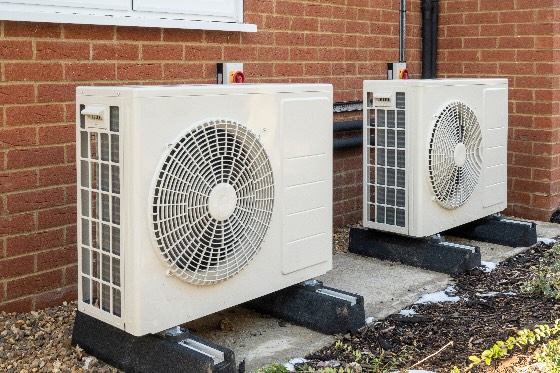
If your current system struggles to keep up, or costs more than it should, a heat pump offers a smarter solution. It heats and cools your home efficiently, adapts to changing weather, and reduces energy waste. We install high efficiency heat pumps, handle repairs the right way, and keep everything running smoothly with ongoing maintenance. Just reliable comfort, built to work better for your home.
Solutions, Not SUrprises.
Reliable Home Service, Start to Finish
Straight answers, fair pricing, and work done right so you’re not left guessing, waiting, or dealing with the same problem twice.
Flexible Scheduling
We respect your time. Fast response windows, clear communication, and a heads-up before arrival, so you can plan your day without waiting around.
Upfront pricing with no surprises. You’ll know the cost before we start, with clear options and honest recommendations tailored to your home.
Skilled, licensed technicians trained across HVAC, plumbing, and electrical. We do the job right, keep your home clean, and stand behind our work.
Every service is backed by our Home Comfort Guarantee, with honest pricing and work you can trust.
We proudly service the following cities and neighborhoods in Spokane & Northern Idaho:
Not seeing your area? Give us a call at 509-237-6483
Ready to elevate your home’s comfort? Discover a variety of services beyond heating repairs that cater to your every need. Explore the full range by clicking the links below:
A heat pump works differently than traditional systems because it does not create heat—it moves it. That difference is what makes it one of the most energy efficient HVAC systems available today.
In the winter, it pulls heat from the outdoor air and brings it inside. In the summer, it reverses that process, removing heat from your home and pushing it outside. The result is one system that handles both heating and cooling without switching between separate units.
Because a heat pump runs more steadily and adjusts to changing temperatures, many homeowners notice more consistent comfort from room to room. Instead of sharp temperature swings, the system works to maintain a stable environment throughout the day.
Modern systems, especially high efficiency heat pump models, are designed to perform in a wide range of conditions. When paired with proper installation and airflow, they can keep up with seasonal changes while using less energy than older systems.
A heat pump is only as effective as the way it is installed. System sizing, ductwork, and airflow all play a role in how well it performs. If any of those are off, even a high efficiency system can struggle to keep your home comfortable.
That is why air source heat pump installation should always be based on the home itself, not just the equipment. A properly designed system will run more efficiently, last longer, and avoid many of the common performance issues homeowners experience.
If a heat pump is no longer keeping up, runs constantly, or causes uneven temperatures, it may be dealing with airflow restrictions, refrigerant issues, or general wear over time. These problems are not always obvious at first but tend to get worse if left unaddressed.
Having the system checked early can help prevent larger repairs and keep it operating the way it was designed to.
One of the most common concerns homeowners have is whether a heat pump can actually keep up when temperatures drop. The answer depends less on the equipment itself and more on how well the system is matched to the home.
A properly sized and installed heat pump can provide steady, efficient comfort through much of the year. In colder stretches, some systems are designed to work alongside a furnace, allowing each to operate when it is most effective.
Every home responds differently based on insulation, airflow, and how heat moves through the space. Homes with strong insulation and balanced ductwork tend to get the most out of a heat pump, while others may need adjustments to reach the same level of comfort.
That is why heat pump installation should be based on real conditions inside the home, not just equipment selection. When the system is designed correctly, it can deliver reliable comfort while reducing unnecessary energy use.
If a home has ongoing hot and cold spots, poor airflow, or high heat loss, those issues can limit how well a heat pump performs. In these cases, improvements to insulation or a dual-fuel system may be recommended to maintain consistent comfort during colder weather.
If your current system struggles during temperature swings or your energy bills continue to climb, it may be time to evaluate whether a different system approach would perform better. A full assessment can help identify whether a heat pump, or a combination system, makes the most sense for your home.
Many homeowners assume switching to a heat pump means removing their furnace completely. In reality, the decision is more flexible and depends on how the home heats, how often the system runs, and what level of efficiency you want to achieve.
In some homes, a heat pump can handle both heating and cooling on its own. In others, it works alongside a furnace, creating a system that adjusts based on outdoor conditions and demand.
If the home is well insulated and the heating demand is moderate, a properly sized heat pump can often provide enough warmth on its own. This setup is common when replacing older systems or moving toward a more energy efficient HVAC system.
In colder conditions or homes with higher heating demand, pairing a heat pump with a furnace can offer more consistent performance. The heat pump handles milder temperatures efficiently, while the furnace supports the system when additional heating is needed.
The effectiveness of either approach comes down to how the system is designed. Sizing, airflow, and how the equipment works together all affect long-term comfort and efficiency.
If your furnace struggles to keep up, cycles frequently, or leads to uneven temperatures, it may be time to consider whether a heat pump—either as a replacement or part of a combined system—would perform better over time.
A heat pump cools your home using the same basic process as an air conditioner. It removes heat from indoor air and transfers it outside, which is why the cooling experience can feel nearly identical when the system is working as it should.
Where homeowners notice differences is not in the label of the system, but in how well it was installed and how effectively air moves through the home.
Cooling performance is influenced by system sizing, airflow, and how evenly air is distributed throughout the home. If any of these are off, even a high-performing system can struggle to maintain consistent temperatures.
A properly installed heat pump, especially a high efficiency heat pump, can deliver steady cooling while also giving you heating capability from the same system.
If certain rooms stay warmer than others, the issue is often related to ductwork, insulation, or airflow restrictions rather than the system itself. These underlying factors can limit performance regardless of whether the system is a heat pump or a traditional AC.
If your system is running but not cooling effectively, cycles frequently, or struggles during hotter days, it may need adjustment or repair. Addressing these issues early can restore performance and prevent more serious problems over time.
When a heat pump starts having issues, the decision is not always straightforward. Some problems can be resolved with a targeted repair, while others point to a system that is beginning to wear out.
The goal is not just to fix the immediate issue, but to understand whether the system will continue to perform reliably moving forward.
If the system has been dependable overall and the issue is limited to a single component, a repair can often restore performance without significant cost. Minor issues like airflow restrictions, thermostat problems, or standard wear parts can usually be addressed without replacing the system.
If the system is breaking down frequently, struggling to maintain temperature, or becoming less efficient over time, replacement may offer better value. Larger issues, such as compressor failure or repeated refrigerant problems, can signal that the system is nearing the end of its service life.
It is important to consider how the system performs as a whole. Ongoing comfort issues, rising energy bills, and repeated service calls can all point to a system that is no longer operating efficiently.
If you are unsure whether to repair or replace, a full evaluation can help compare costs, performance, and expected lifespan. This allows you to make a decision based on long-term reliability, not just the next repair.
Experiencing problems with your heat pump can be frustrating, especially when it disrupts your home’s comfort. Fortunately, Mainstream Electric, Heating, Cooling, & Plumbing offers heat pump repair services to Spokane Valley, WA residents.
Heat pumps can face numerous problems, including:
There are several reasons why Spokane Valley homeowners trust Mainstream for their heat pump repair needs:
Regular maintenance is essential to keeping your heat pump running efficiently. Mainstream offers comprehensive maintenance plans that include:
If you’re in Spokane Valley and need reliable heat pump repair services, look no further than Mainstream in Spokane. Our team is ready to provide expert solutions that restore your home’s comfort quickly and efficiently.