Updated: January 14, 2026
Plumbing problems have a way of showing up when you least expect them, and broken sewer pipe signs are some of the most urgent. What starts as a minor inconvenience can quickly turn into a homeowner’s nightmare — sewage backups, foul odors, slow drains, and even structural damage.
At Mainstream Electric, Heating, Cooling and Plumbing, we know how crucial it is to catch sewer line problems early before they lead to costly repairs and disruptions. Below are the top warning signs of a broken sewer line that every homeowner should watch for.
In this article, we’ll talk about the key signs of a broken sewer pipe that every homeowner should be aware of. By keeping an eye out for these symptoms, you can act quickly to address the problem before it escalates.
What Is a Broken Sewer Line?
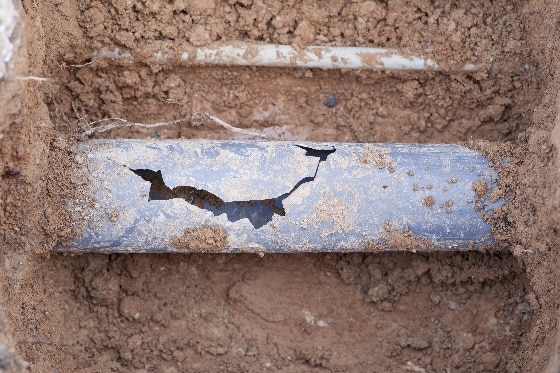
A broken sewer line is damage to the main pipe that carries wastewater from your home to the city sewer or septic system. Cracks, collapses, root intrusion, or misaligned joints can allow sewage to leak into the ground, back up into your home, or create health hazards around your property. Broken sewer lines rarely fix themselves and usually worsen over time if not addressed.
How to Tell If You Have a Broken Sewer Line
Signs of a broken sewer line include slow drains throughout the home, sewage odors, gurgling sounds from toilets or sinks, wet or sunken areas in the yard, and sewage backups. These problems often worsen over time and usually require a professional inspection to identify the cause and prevent further damage.
Broken sewer lines can manifest in subtle ways at first, which is why they’re often overlooked until the problem escalates. Below, we’ll walk through the most common warning signs so you can recognize trouble early and take action before it leads to costly repairs or health concerns.
Strange Noises from Your Drains
Unusual sounds coming from your drains can be an early indicator of underground pipes in distress. Gurgling noises (especially after using the toilet or when water drains out) suggest that air is trapped in the sewer line due to a blockage or crack.
Unpleasant Odors
A properly functioning sewer system should be airtight, except for vent stacks allowing gases to escape. If you detect the foul odor of sewage in or around your home, it could be a sign of a crack or break in the sewer line, allowing gases to escape.
Slow Draining
While a single slow drain might just be a clogged pipe, multiple slow drains throughout your home can indicate a more serious problem with the main sewer line. If you’ve tried all the usual fixes for a slow drain with no success, it’s time to consider the possibility of a broken sewer line.
Water Damage or Foundation Problems
A broken sewer line beneath your home can cause water to leak and erode the soil around your foundation. If you notice new cracks in your foundation, unexplained water damage, or a sudden shift in the soil around your home, a broken sewer line could be the culprit.
Mold and Mildew
Mold and mildew growth can result from the extra humidity caused by a leaking sewer pipe. If you see (or even suspect) mold or mildew in your home, especially if it’s coupled with a musty odor, it’s time to inspect your sewer lines and get ahead of the problem.
Lush Patches of Grass
While lush, green grass can be the result of diligent gardening, it can also signify a sewage leak underground. Sewage acts as a fertilizer, so if you notice that patches of your lawn are particularly vibrant (or growing faster than other areas), it could be due to a sewage leak from a broken pipe.
Rodent and Insect Invasions
Rodents and insects are attracted to sewage. If you notice an increase in pests (like rats or cockroaches) around your property, they could be finding their way in through cracks in your sewer pipes.
Pools of Septic Waste
One of the most obvious signs of a broken sewer pipe is the pooling of septic waste in your yard. If you see water pooling, and it hasn’t rained recently, you should be concerned about a potential sewer line break and contact the experts at Mainstream for help immediately. Septic waste is both unsanitary and dangerous for your family and pets, and should never be ignored.
Common Sewer Line Issues
Sewer line problems rarely appear out of nowhere. Most sewer line failures develop slowly, starting with small weaknesses that grow over time. Whether it’s aging materials, environmental pressures, or outside forces like tree roots, these issues can quietly build until they become a major problem for your home. Understanding what causes sewer damage can help you spot trouble early — and protect your property from expensive repairs.
Tree Roots
Tree roots are one of the frequent culprits behind sewer pipe damage and issues. Tree roots are attracted to the moisture and nutrients in sewer lines and can grow into the pipes through tiny cracks (or loose joints). Roots can cause breakage or leaks and wreak havoc on your system.
Corrosion
Older pipes made of cast iron or clay are susceptible to corrosion over time. As the pipes corrode, they can crack or collapse. If you have an older home, it is especially important to schedule regular sewer camera inspections to protect the integrity of your sewer system and your house.
Ground Movement
Shifting soil or heavy construction equipment can cause the ground to move, which can break or dislodge sewer lines. It’s important to pay close attention after earthquakes or nearby construction to ensure your system is still working properly.
Extreme Temperature Changes
Freezing and thawing cycles can cause the ground to expand and contract, which can crack pipes… particularly those that aren’t buried deep enough.
Diagnosing a Broken Sewer Line
Detecting sewer line leaks and cracks is easy when you know what to look for. The plumbers at Mainstream often use a video camera inspection to first find any visual signs of a crack. This simple process involves sending a camera down your sewer line to visually inspect for damage. Your plumber can then determine the location and extent of the damage and provide you with a detailed repair plan to restore your sewer system to top shape with minimal disruption to your property and schedule.
Repairing a Broken Sewer Line
Once a broken sewer line is confirmed, there are several methods of repair:
Traditional Repair
This method involves digging up the yard or driveway to access the broken pipe and replacing it. It is invasive and can be costly due to the additional labor and restoration work required.
Trenchless Repair
Trenchless repair methods, such as pipe lining or pipe bursting, allow for repairs with minimal digging. These methods are less disruptive and can be more cost-effective in the long run.
Sewer Line Replacement
In some cases (particularly with older systems), it may be more practical to replace the entire sewer line rather than repair a single break.
With flexible financing options and great discounts for our valued customers, we ensure that you’re able to get the repairs you need to keep enjoying your home when problems arise.
Broken Sewer Line: What Homeowners Should Do Next
If you notice signs of a broken sewer line — such as slow drains, sewage odors, or soggy patches in your yard — the safest next step is a professional sewer inspection. Early diagnosis can limit damage, reduce repair costs, and protect your home’s foundation. For homeowners in Spokane and Northern Idaho, acting quickly is especially important due to soil movement, invasive tree roots, and seasonal temperature changes.
Protect Your Sewer Line, Before Problems Start
A little prevention goes a long way. Regular inspections, mindful landscaping, proper waste disposal, and even using water softeners can help keep your sewer line healthy and avoid costly repairs down the road.
When issues do come up, Mainstream is here with solutions, not surprises. For over 20 years, Spokane homeowners have trusted us for fast, expert sewer diagnostics and repairs—available 24/7 with no extra fees for nights or weekends. Honest service. No hidden costs. Reliable help when you need it most.