Expert HVAC Installation

HVAC Blowout Sale: Warehouse Prices, Limited Stock

Call Now to Take Advantage of Great Deals on New HVAC Systems!

Heating & Cooling Installation

Your Trusted HVAC Specialists

For 25 Years Mainstream has been providing top-rated HVAC installation, repair & maintenance for total home comfort. Trust our HVAC experts—call for your hassle-free consultation today!
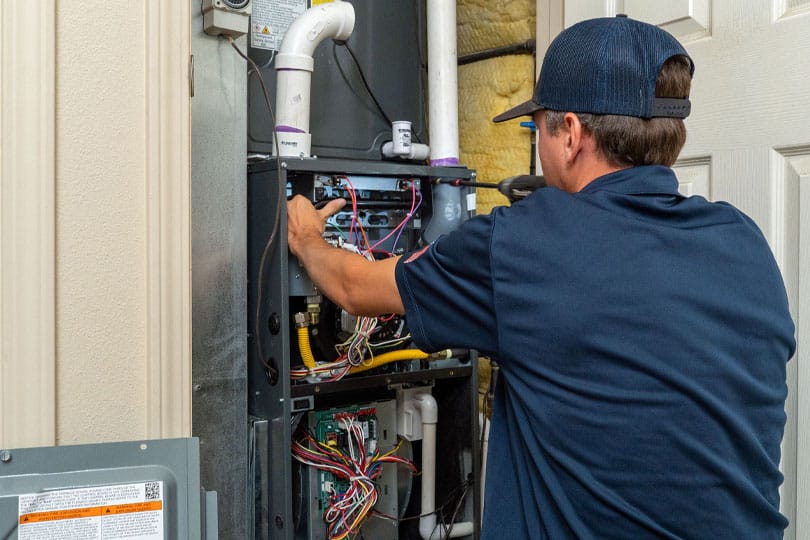
HVAC technician installs new high-efficiency furnace

SPECIAL OFFERS

Mainstream Savings & Offers

5-Star Service

Real Reviews

Schedule Your Service- Give Us a Call!

Mainstream Isn't Just HVAC Installation

Expert HVAC Installation

Frequently Asked Questions

When considering furnace installation or replacement costs, it’s essential to understand the various factors that can influence the final price. Here’s a breakdown of typical costs and the factors that affect them:

Average Installation Cost: The average for a full furnace installation ranges from $4,820 to $9,350. This includes the cost of the furnace itself, labor fees, ductwork, removal, and disposal of the old furnace, as well as other installation costs or upgrades included.

Type of Furnace: The type of furnace you choose significantly impacts the installation cost. Here’s a breakdown of average installation costs for different types of furnaces:

  • Electric Furnace: Typically ranges from $1,800 to $7,300, depending on factors such as size and efficiency. Electric furnaces are suitable for regions with mild winters and are measured in kilowatts.
  • Natural Gas Furnace: Ranges from $2,800 to $9,500 for the average installation cost. High-efficiency models may cost more initially but offer long-term savings on utility costs. Natural gas furnaces are ideal for colder climates.
  • Oil Furnace: Common in regions with harsh winters, oil furnace installation costs typically range from $4,500 to $8,000 or higher. Oil furnaces require more maintenance but can have a longer lifespan.

Size and BTU Capacity: The size of the furnace is determined by the British Thermal Units (BTUs) required to heat your home. The cost of a furnace is influenced by its BTU capacity, with larger units costing more. The BTU requirement is calculated based on the square footage of your home, typically around 40 BTUs per square foot. Additional factors such as cathedral ceilings or drafty windows may require adjustments to the BTU calculation.

Installation vs. Replacement: Whether you’re installing a new furnace or replacing an existing one also affects the overall cost. Replacing an old furnace with a new one may be more cost-effective as existing infrastructure can be utilized. However, converting from one type of furnace to another or relocating the furnace may require additional work and incur higher costs.

Additional Installation Considerations: Factors such as ductwork requirements, location changes, and any necessary upgrades or modifications to accommodate the new furnace also contribute to the overall installation cost. HVAC duct installation typically costs between $10 and $20 per linear foot.

At Mainstream, we understand the importance of providing transparent pricing and delivering exceptional value to our customers. Our experienced technicians ensure efficient and professional furnace installations tailored to your specific needs, ensuring optimal comfort and performance for your home. Contact us today to schedule a consultation and receive a personalized quote for your furnace installation or replacement. With Mainstream, expect reliable service and expert solutions for all your heating needs.

Most Installations Are Completed in a Single Day

Standard AC replacements are typically completed within one day. Projects involving new ductwork, electrical upgrades, or first-time installations may require additional time. Our team communicates timelines clearly so you know what to expect from start to finish.

Proper System Sizing Is Critical for Efficiency

An oversized unit can short cycle and waste energy, while an undersized unit may struggle to cool your home. We perform detailed load calculations to determine the right system capacity for your space. Correct sizing improves efficiency, extends system lifespan, and ensures consistent indoor comfort.

In the Spokane area, it generally costs anywhere between $200-$600 for a new smart thermostat installation. This typically does not include the cost of the thermostat unit itself.

While some think they can reduce the cost by performing a smart thermostat installation by themselves, it is generally a bad idea. There is a lot of care that goes into making sure your HVAC unit is functioning properly in accordance with the thermostat, which ensures its effectiveness and longevity.

A smart thermostats add an extra layer of convenience to your HVAC system by allowing you to adjust the temperature right from your phone. You can set it to your desired temperature anytime and anywhere so you are greeted by the perfect climate when you arrive home.

In addition to the convenience of a smart thermostat, they also allow you to be more energy-efficient. You can program it to run at certain times and certain temperatures instead of needing to manually turn it off and on when you would like to use it.This helps you save money and time!

By programming your smart thermostat, you’ll never need to worry about remembering to turn it on or off. It’s completely automated so you can spend your time on other things!

Whether you are in the process of creating your ultimate smart home, or just due for an upgrade for your climate control system, a good indication that it’s time to replace your home thermostat is whenever you replace any part of your home’s HVAC system.

Whether an air conditioner or furnace is replaced, it’s a great investment to add a smart thermostat while you’re upgrading your climate control systems.

Comparing Mini Splits to Central Air Systems

Mini splits and central air systems both provide cooling, but they approach it differently. A ductless air conditioner delivers targeted comfort to specific areas, while central systems distribute air through ducts across the entire home.

For homes with uneven temperatures or limited ductwork, mini split systems often provide better control and efficiency.

Where Mini Splits Stand Out

Mini splits allow you to adjust temperatures room by room, which can improve comfort and reduce energy waste. They are also a strong option for additions, older homes, or spaces where extending ductwork is not practical.

When Central Air May Still Work Well

Homes with properly designed and sealed ductwork may continue to perform well with a central system. In these cases, the decision often comes down to comfort preferences and efficiency goals.

When you make a big, long-lasting purchase like a furnace for your home, you want to be informed. The different types of furnaces are suited to different homes, climates, and lifestyles. Mainstream will help you decide between electric, gas, and oil, what size of furnace you need, and what brand is best.

If you’re experiencing issues with an existing furnace, we can help you answer that question! You may just need furnace repairs. Even if you’re considering a new furnace because your current one isn’t getting the house warm enough, you may just need a furnace tune-up to help it heat better.

The 3 main types of new furnace installations available are:

Gas Furnaces

Gas furnaces are the most commonly installed furnaces in Spokane homes.

More efficient than installed oil furnaces, but less than electric, gas furnaces are typically the cheapest to run, as they use natural gas as an energy source. With this, your home runs the risk of creating a buildup of carbon monoxide, and your furnace will require on-going maintenance throughout its life.

Gas furnaces are, however, the least expensive model to run using natural gas, making them a favorable choice for furnace replacement.

Electric Furnaces

The electric furnace is another popular choice for homeowners. Electric furnace installations are less expensive, as they require only electricity and not natural gas line piping installation or oil storage tanks.

On the flip-side, electrical furnaces are the most expensive to run due to their high usage of electricity. Electric furnaces still remain a common furnace replacement option with their comparatively lower purchase costs & minimal lifespan maintenance.

Oil Furnaces

Oil furnaces are not what they once were in Spokane, but they still offer some attractive benefits. Oil furnaces are able to heat large spaces evenly & have less emissions than gas furnaces, with no risk of carbon monoxide leakage in your home.

However, oil furnaces do require an on-site oil storage tank for fuel & an oil delivery service. Oil is typically more expensive than natural gas and has the lowest efficiency rating for heating per its energy source.

No matter the problem, our furnace installation technicians will determine your heating & furnace needs and finances before any work is done, so you will know what solution is best & most affordable for your new furnace system.

Your furnace is a large, complex unit that will deliver years of exceptional heating to your entire home. It is important that it’s installed correctly, otherwise this costly investment can go to waste.

Multiple factors determine the overall cost of a new furnace installation, but the type of furnace you choose has the largest impact. Our expert HVAC technicians at Mainstream Electric, Heating, Cooling, & Plumbing will help you find the perfect furnace to install that’s best for your Spokane Valley, Washington home.

There’s no getting around the fact that a new furnace is a relatively expensive purchase! Depending on any number of factors like size, energy efficiency, and style, a furnace can cost as little as $1,500 and up to several thousand dollars.

That’s why, at Mainstream, we offer a new furnace installation financing plan: pay $0 down and as low as $89 a month!