Plumbing a mobile or manufactured home is mostly the same as plumbing any house — but the differences are exactly where homeowners run into trouble. From smaller supply lines to uniquely placed water heaters and non-standard fixtures, knowing what sets mobile home plumbing apart can save you a frustrating afternoon under the house. The team at Mainstream Electric, Heating, Cooling, & Plumbing services manufactured homes across Spokane, Deer Park, and the wider Inland Northwest, and here is what every owner should know.
What’s the Same as a Site-Built Home
The fundamentals do not change. Mobile homes use the same basic drain-waste-vent principles, the same water heaters in most cases, and the same fixtures you would find at any hardware store. Clogs, leaks, and water heater failures are diagnosed and repaired with the same professional plumbing approach. If you have a dripping faucet or a running toilet, the fix is no different than in a stick-built house. The water still needs to come in under pressure and leave through properly vented drains.
What’s Different About Mobile Home Plumbing
Smaller and Differently Routed Supply Lines
Many manufactured homes use 1/2-inch supply lines and route plumbing through the floor cavity (the ‘belly’) rather than interior walls. Pipe materials like PEX, CPVC, or older polybutylene are common. This routing is why a leak under a mobile home can travel a long way before it shows up indoors — and why pipe and line repairs sometimes require accessing the belly board underneath the home rather than opening a wall.
The P-Trap and Drain Setup
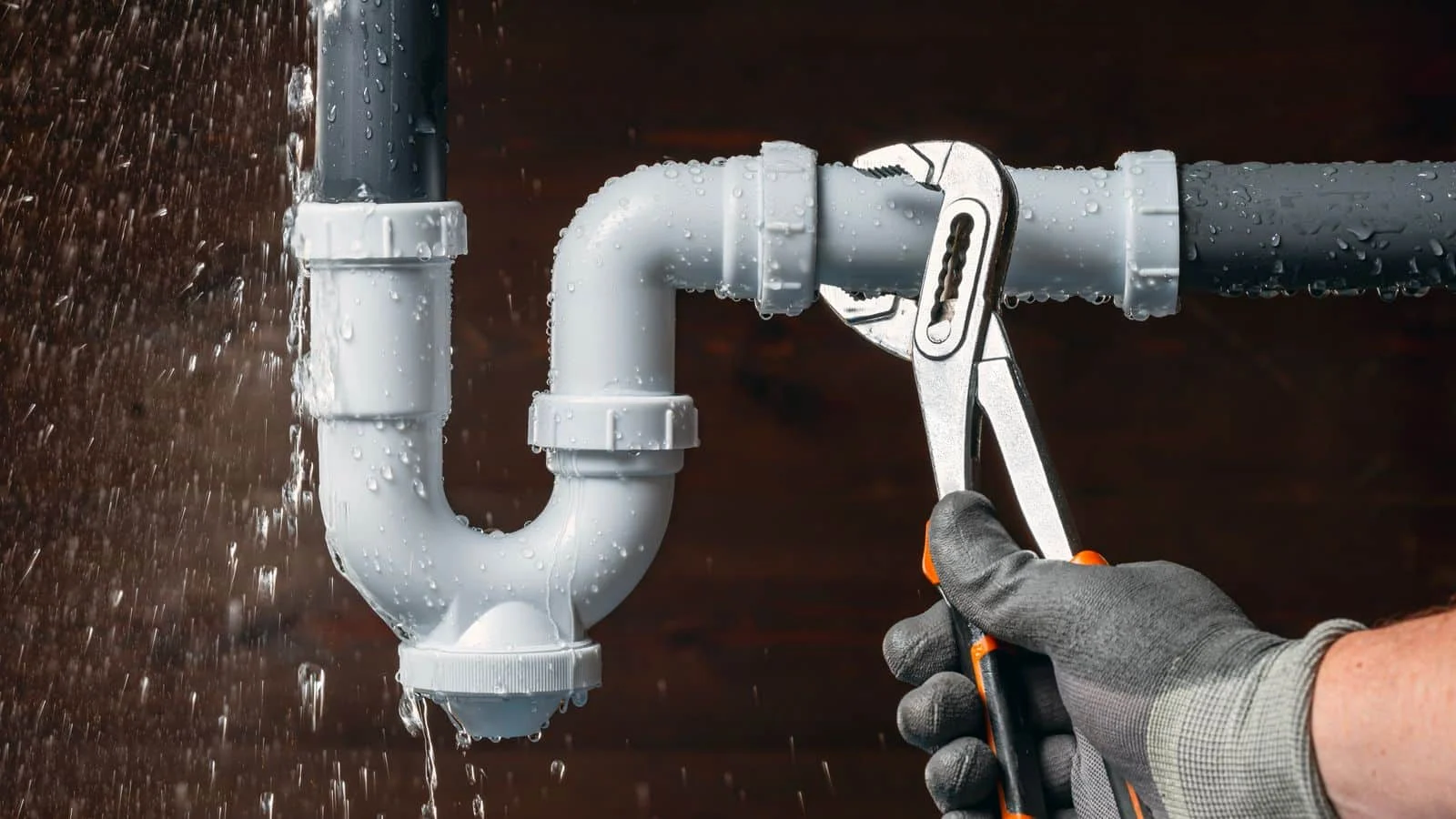
A mobile home P-trap works on the same principle as any trap — holding a small amount of water to block sewer gas from rising into the home — but the under-floor drain layout is tighter and often uses ABS fittings sized for the home. Bathroom sink plumbing in particular is frequently more compact, so replacement parts should match the existing configuration rather than assuming a standard residential rough-in.
Where Is the Water Heater in a Mobile Home?
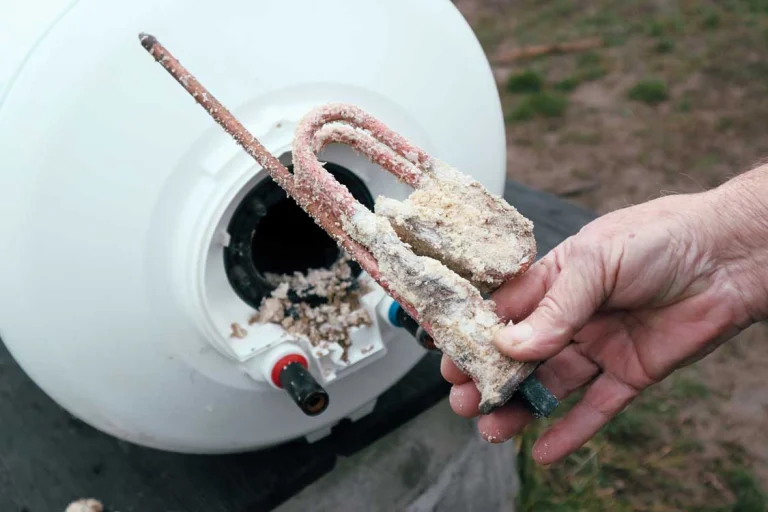
This is the question we hear most. In a manufactured home, the water heater is usually tucked into a dedicated closet or utility space inside the home — often in a hallway, a laundry area, or near the furnace — rather than in a basement or garage. Mobile home water heaters are also frequently a specific type approved and labeled for manufactured housing, with sealed combustion and particular venting requirements. A like-for-like replacement matters here for both safety and code. Our water heater services cover both standard and manufactured-home-rated units.
Are Mobile Home Toilets and Sinks Different?
Sometimes, yes. Some mobile homes use toilets with a 10-inch rough-in or a low-profile design, and fixtures like an RV or trailer kitchen sink may be sized differently than a standard residential sink. The good news: residential replacements usually work fine as long as you match the rough-in dimensions and drain location before buying. Measure twice before you make a trip to the store — an inch in the wrong direction means a return trip.
Common Mobile Home Plumbing Problems
- No water at all — often a frozen line in winter, a tripped well pump breaker, or a closed main shutoff.
- Low water pressure throughout the home — frequently traced to a failing water pressure regulator, which most manufactured homes rely on to protect those smaller lines.
- Frozen pipes — because plumbing runs through the unheated belly of the home, skirting and heat tape are critical in the Inland Northwest.
- Leaks under the home — harder to spot, so a sudden spike in your water bill is worth investigating early.
- Slow or gurgling drains — often a venting issue or a developing clog in the tighter drain runs.
A Note on Water Pressure Regulators
Because mobile home supply lines and fixtures are sized for moderate pressure, a water pressure regulator (PRV) protects the whole system. If yours fails, you may see pressure that is either too weak to shower comfortably or high enough to stress fittings and cause leaks and water hammer. Testing and replacing a regulator is a quick job for a licensed plumber and can prevent a cascade of bigger problems down the line. If your pressure has slowly changed, the regulator is one of the first things we check.
Winterizing Mobile Home Plumbing in the Inland Northwest
Our winters are hard on manufactured homes specifically because so much plumbing runs through the belly. A few habits go a long way:
- Keep skirting intact and sealed to trap ground warmth around the underbelly
- Use thermostatically controlled heat tape on vulnerable supply lines
- Make sure belly insulation and the wrap are in good repair — rodents love to tear into it
- Let a faucet drip on the coldest nights and keep cabinet doors open so warm air reaches the pipes
When to Call a Professional
A confident homeowner can swap a faucet or clear a simple clog. But anything involving the water heater, repeated low pressure, leaks under the home, or frozen lines is worth a professional’s eyes — mistakes under a mobile home are hard to reach and easy to make worse. A licensed plumber also knows the manufactured-housing code requirements that differ from site-built homes.
Local Help for Manufactured Home Plumbing
Whether you have no water, stubborn low pressure, or a water heater hiding in a hall closet that finally gave out, our licensed team knows the quirks of manufactured homes. Learn more about our plumbing services or reach out to Mainstream for fast, upfront-priced help anywhere from Spokane to Post Falls.