
Hear a popping, rumbling, or knocking sound coming from your water heater? That is usually the sound of sediment — a layer of minerals and grit settled at the bottom of the tank. It is one of the most common and most preventable water heater problems, and left alone it quietly shortens your tank’s life and raises your energy bills. The plumbing team at Mainstream Electric, Heating, Cooling, & Plumbing explains why sediment matters and what to do about it.
What Causes Sediment in a Water Heater?
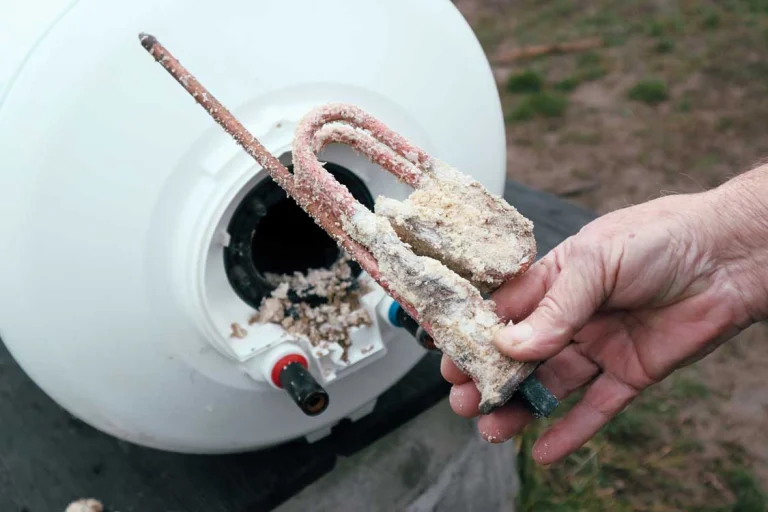
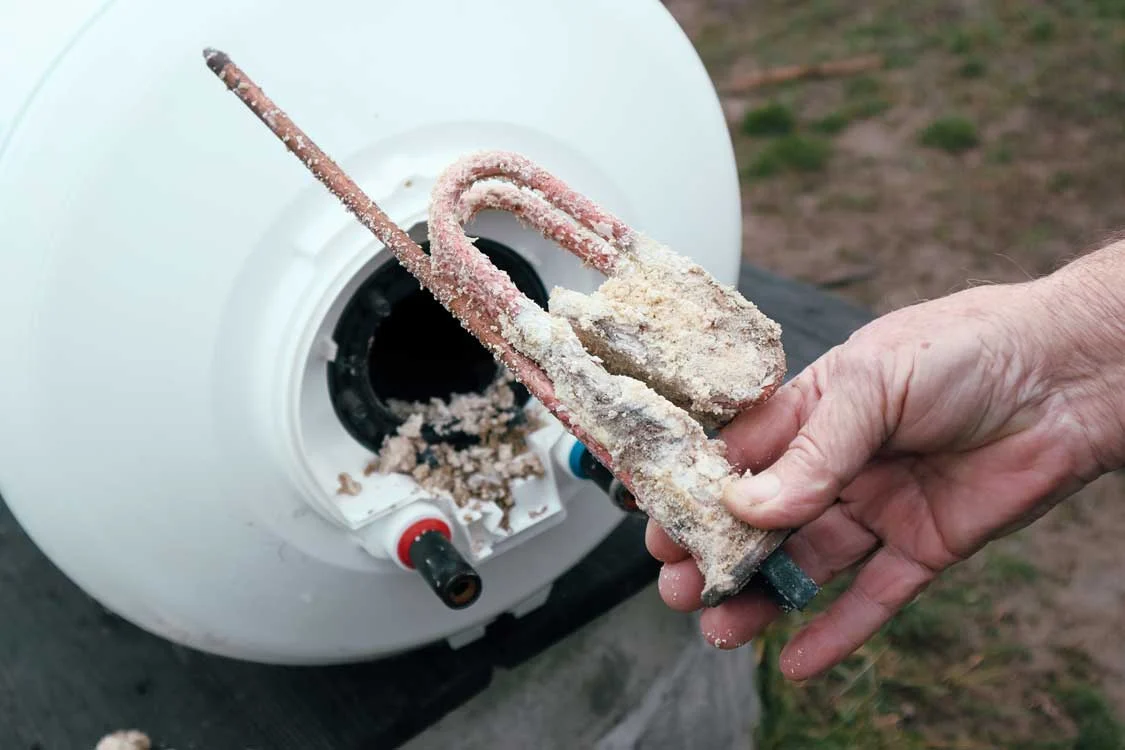
As water is heated, dissolved minerals like calcium and magnesium separate out and sink to the bottom of the tank. Over months and years they build into a thick layer of sediment. Homes with hard water — common in much of the Inland Northwest — accumulate sediment faster, which is why regular maintenance matters even more here. The harder your water, the quicker the buildup, and the more important a routine flush becomes.
Why Sediment Buildup Is a Problem
- Higher energy bills — sediment insulates the water from the burner or element, so your heater works harder and longer to heat the same water.
- That popping and rumbling noise — caused by water trapped under the sediment boiling and bubbling up through it.
- Reduced hot water capacity — sediment takes up space in the tank, so you get less hot water before running out.
- Premature tank failure — trapped heat overworks the tank bottom and accelerates corrosion, leading to cracks, leaks, and early replacement.
- Clogged valves and lines — loose sediment can travel and clog your drain valve, fixtures, and supply lines.
Gas vs. Electric: How Sediment Hurts Each
On a gas water heater, sediment settles directly over the burner at the bottom of the tank, creating that insulating layer and the telltale rumble — and the overheated steel below the sediment is exactly where tanks tend to fail. On an electric unit, sediment can bury the lower heating element, causing it to overheat and burn out prematurely. Either way, the bottom of the tank is where the damage concentrates, and either way a flush is the fix.
The Fix: Flushing the Tank
The solution is straightforward — periodically flushing the tank to clear out the sediment. For most homes, an annual flush is the sweet spot; hard-water homes may benefit from doing it more often. Flushing involves shutting off the heater, connecting a hose to the drain valve, and draining the tank to wash out the settled debris. Done routinely, it is one of the highest-value maintenance tasks for a water heater — protecting efficiency and adding years of life for the cost of a little time.
Signs It’s Past Due for a Flush
- Popping, rumbling, or knocking sounds during heating
- Running out of hot water sooner than you used to
- Rusty or cloudy hot water, or gritty sediment at faucet aerators
- Higher-than-usual energy bills with no other explanation
- It’s simply been more than a year (or you’ve never had it done)
Should You Flush It Yourself or Call a Pro?
A handy homeowner can flush a tank, but there are real pitfalls: a drain valve that won’t reseal, sediment so packed it clogs the valve mid-drain, or an older tank where draining reveals it is already near failure. A professional flush as part of water heater maintenance also includes inspecting the anode rod (the sacrificial part that protects the tank from rust), checking the temperature-and-pressure relief valve, and catching small problems before they become a cold-shower emergency. If your heater is older or has never been flushed, having a pro do the first one is the safe move.
How to Slow Sediment Buildup
- Flush the tank on a regular schedule — annually for most homes, more often with hard water
- Address hard water at the source with a softener, which dramatically reduces how fast sediment forms
- Have the anode rod checked during maintenance so the tank’s rust protection stays intact
- Set the temperature sensibly (around 120°F) — scalding-hot settings accelerate mineral precipitation
Pairing a yearly flush with water treatment is the one-two punch that keeps a tank healthy. If your home has hard water — common across the region — our water quality team can help you tackle the root cause, not just the symptom.
Is the Sediment Dangerous to Drink?
The mineral sediment itself is generally not harmful to drink, but it’s a sign your water heater isn’t operating efficiently — and gritty, cloudy, or rusty hot water is never pleasant. More importantly, the buildup is quietly stressing the tank. Clearing it protects both your water quality and your equipment.
Protect Your Water Heater
Regular flushing is the difference between a water heater that lasts 8 years and one that lasts 12-plus. If yours is rumbling, running out of hot water early, or simply overdue for service, explore our water heater maintenance and water heater services, or contact Mainstream. We help homeowners across Spokane and Spokane Valley keep the hot water flowing.