
A GFCI outlet is one of the smallest devices in your home and one of the most important — it is the outlet that shuts off power in a fraction of a second to prevent a deadly shock. If yours has failed, or your home needs them added in kitchens, bathrooms, garages, or outdoors, the first question is usually about cost. Below, the licensed electricians at Mainstream Electric, Heating, Cooling, & Plumbing break down what GFCI outlet installation really costs for Spokane homeowners and what drives the price up or down.
What Is a GFCI Outlet and How Does It Work?
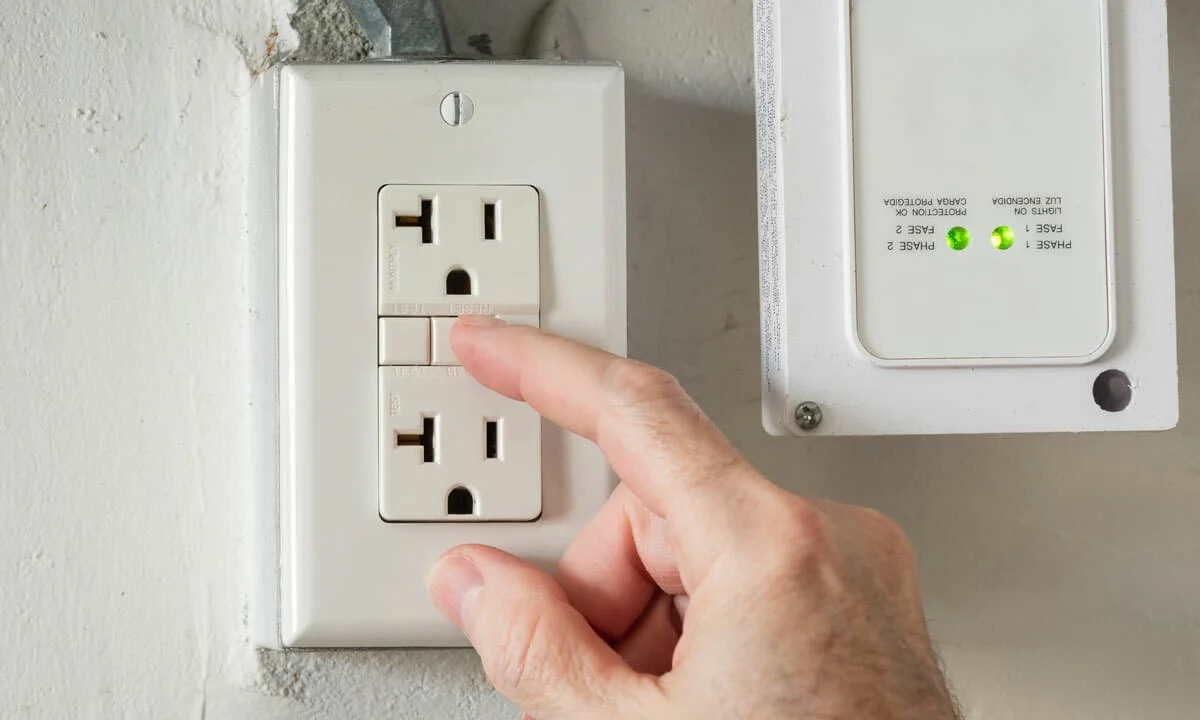
GFCI stands for Ground-Fault Circuit Interrupter. It constantly compares the electrical current flowing out to the current coming back. If it detects even a tiny imbalance — as little as 4 to 6 milliamps, which is what happens when current leaks through a person or into water — it cuts power in about one-thirtieth of a second. That speed is the difference between a startle and a serious injury. You’ll recognize a GFCI by its ‘TEST’ and ‘RESET’ buttons.
The Short Answer on GFCI Outlet Installation Cost
For a straightforward swap — replacing a standard or failed outlet with a GFCI in an accessible location with existing wiring — most homeowners can expect to pay roughly $140 to $300 per outlet installed, including the device and professional labor. More involved jobs run higher. The honest answer is that the device itself is inexpensive; what you are paying for is a licensed electrician’s time, code knowledge, and the assurance the work is done safely and will pass inspection.
Typical Pricing by Scenario
- Simple GFCI replacement (existing outlet, easy access): roughly $140–$250
- Adding a GFCI where a standard outlet exists: similar range, depending on box and wiring condition
- New GFCI circuit run from the panel: several hundred dollars and up, since it adds wire, a breaker, and labor
- Outdoor or weatherproof GFCI with in-use cover: add a small material cost for the cover and gasket
- Multiple outlets in one visit: per-outlet cost drops compared to a single trip charge
What Affects the Price
- New circuit vs. replacement — swapping an existing outlet is quick; running a brand-new circuit adds labor, wire, and sometimes a new breaker.
- Location and access — a finished basement, outdoor, or hard-to-reach outlet takes longer than one at standard height in an open drywall opening.
- Wiring condition — older Spokane homes with aluminum wiring, no ground wire, or backstabbed connections may need extra work to bring the circuit up to code.
- Weatherproofing — exterior GFCIs require an in-use (‘bubble’) cover, adding a small material cost.
Where Code Requires GFCI Protection
The National Electrical Code requires GFCI protection in areas where water and electricity can meet. In a typical home that means:
- Bathrooms
- Kitchens (countertop outlets)
- Garages and unfinished basements
- Outdoor receptacles
- Laundry areas and near utility sinks
- Crawl spaces at or below grade
If your older home predates these rules, adding GFCI protection is one of the most affordable safety upgrades you can make — and an important one before selling, since home inspectors flag missing GFCIs.
One GFCI Can Protect Several Outlets
Here’s a money-saving fact many homeowners don’t know: a single GFCI outlet wired correctly on the ‘load’ side can protect every standard outlet downstream of it on the same circuit. That means you don’t always need a GFCI at every location — one well-placed device can cover a string of outlets, which an electrician can map out for you. Done right, it’s both safer and more cost-effective.
Signs Your GFCI Has Failed
- It won’t reset, or it trips again the instant you reset it
- Pressing TEST does not cut power (it should)
- The outlet is dead but the breaker is on
- It’s warm, discolored, or shows scorch marks — shut it off and call a pro
- It’s more than 10–15 years old (the internal sensing components do wear out)
Can I Install a GFCI Outlet Myself?
Physically, swapping an outlet looks simple. But GFCI outlets must be wired correctly — line versus load terminals matter, and a reversed connection can leave the device offering no protection at all while still appearing to work. In homes without a ground wire, the install has specific labeling requirements. A miswired GFCI can fail silently, which defeats the entire purpose. For anything beyond a confident, like-for-like swap, a licensed electrician is the safe call.
GFCI vs. AFCI: What’s the Difference?
While you’re thinking about outlet safety, it’s worth knowing GFCIs have a cousin: the AFCI (Arc-Fault Circuit Interrupter). A GFCI protects against shock by detecting current leaking to ground; an AFCI protects against fire by detecting the dangerous arcing that happens when wiring is damaged, loose, or pinched. Modern code requires AFCI protection in many living areas and GFCI protection in wet areas, and some breakers combine both. If your older Spokane home has neither, upgrading is a meaningful safety improvement — and something our electricians can scope during a quick visit.
Get an Upfront Quote in Spokane
We give honest, upfront pricing before any work begins — no surprises. Whether you need a single failed GFCI replaced or protection added throughout your home, see our outlets & switches services or contact Mainstream for a quote. We serve homeowners across Spokane, Spokane Valley, and Liberty Lake.