
Your electrical panel is one of the hardest-working systems in your home, and the breakers inside it quietly protect every circuit from overload and fire. But breakers do not last forever. If you have lived in your home for a couple of decades — or just bought an older Spokane house — it is fair to ask how long circuit breakers really last and when they should be replaced. The licensed electricians at Mainstream Electric, Heating, Cooling, & Plumbing break it down.
What a Circuit Breaker Actually Does
A breaker is a resettable safety switch. When the current on a circuit climbs above its rated amperage — from too many devices, a short circuit, or a ground fault — the breaker trips and cuts power before the wiring can overheat. That is the whole point: it sacrifices a little convenience to prevent an electrical fire. When a breaker stops doing that job reliably, it stops protecting your home, which is why lifespan matters more than people realize.
How Long Do Circuit Breakers Last?
A standard residential circuit breaker typically lasts 30 to 40 years under normal conditions. That said, ‘normal’ is doing a lot of work in that sentence. A breaker that trips frequently, carries heavy loads, or lives in a humid or corrosive environment can wear out much sooner. The lifespan of a circuit breaker depends less on a calendar date and more on how hard it has worked and how well the panel has been maintained. The panel itself — the box, bus bars, and connections — also ages, and that is often the bigger story in an older home.
What Shortens a Breaker’s Life
- Frequent tripping — every trip is a small mechanical and thermal stress. Repeated overloads accelerate wear.
- Heat and humidity — corrosion on contacts and bus bars degrades performance over time.
- Loose connections — a loose lug or wire creates resistance and heat, which damages the breaker and surrounding components.
- Power surges — repeated electrical surges from the grid or large appliances take a cumulative toll.
- Manufacturing or panel issues — certain older panel brands are known to have unreliable breakers that may not trip when they should.
Signs a Breaker Is Failing
Breakers rarely announce their retirement, but they do leave clues:
- A breaker that trips repeatedly with no obvious overload
- A breaker that won’t reset or feels loose and ‘mushy’ when you flip it
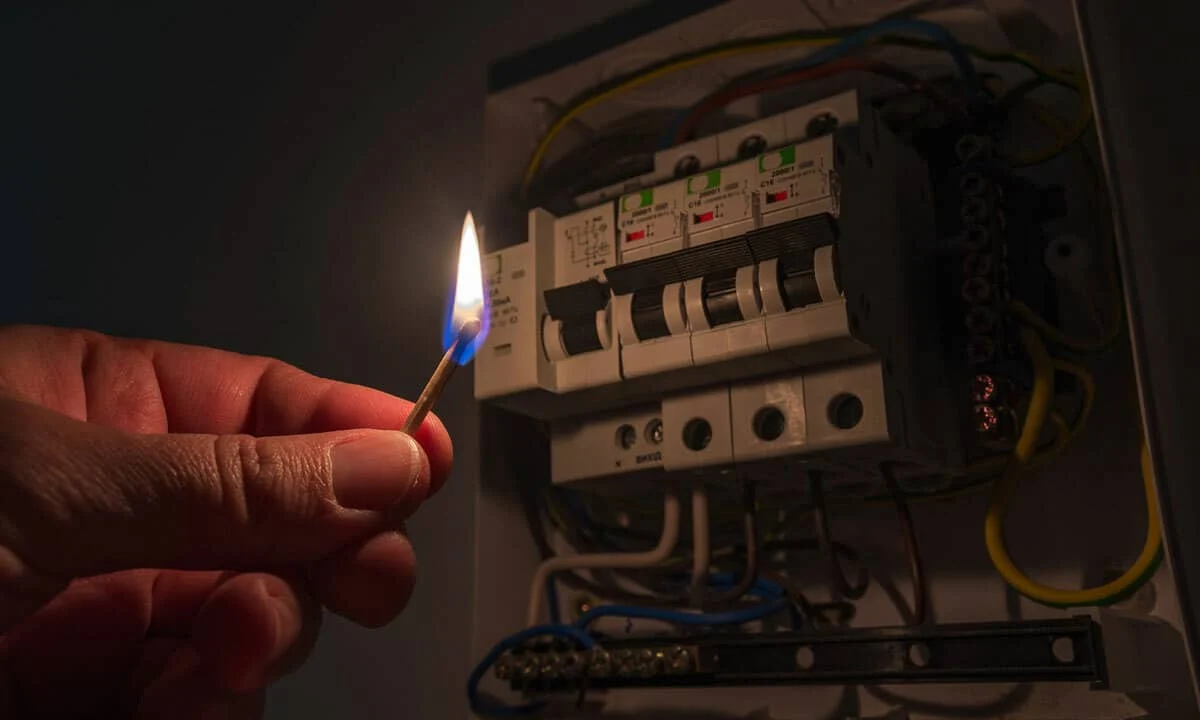
- A warm or hot breaker, scorch marks, or a burning smell at the panel
- Buzzing, humming, or crackling sounds from the panel
- Flickering lights or outlets that work intermittently on a circuit
Any heat, smell, or scorching at the electrical panel is not a wait-and-see situation — shut off what you can and call a licensed electrician promptly.
Why a Breaker That Won’t Trip Is the Real Danger
Homeowners worry about nuisance tripping, but the scarier failure is the opposite: a breaker that has worn out internally and no longer trips when it should. In that state, a circuit can overheat without ever cutting power — exactly the scenario breakers exist to prevent. This is why aging panels from certain manufacturers have such a poor reputation, and why a breaker’s age and brand matter, not just whether it ‘still works’ day to day.
Should You Replace a Breaker or the Whole Panel?
A single failed breaker can usually be replaced on its own — an affordable, quick fix. But if your panel is 30-plus years old, frequently overloaded, or from a manufacturer with a poor safety record, replacing the entire panel is often the smarter long-term move. A modern panel adds capacity for today’s electrical demands — EV chargers, heat pumps, hot tubs, and additional circuits — and brings your home up to current code. Our panel & wiring services can help you decide which path makes sense for your home and budget.
How to Extend the Life of Your Panel
- Don’t habitually overload circuits — spread high-draw appliances across different circuits
- Address nuisance trips instead of just resetting them; they’re telling you something
- Have an electrician check and tighten panel connections during any electrical service
- Add whole-home surge protection to shield breakers and electronics from grid spikes
- Schedule an inspection when buying an older home or before a major addition
What About AFCI and GFCI Breakers?
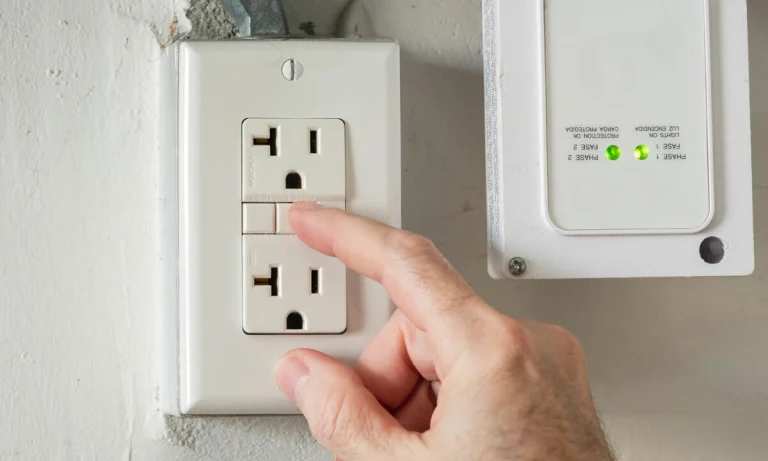
Not all breakers are simple on/off switches anymore. AFCI (arc-fault) and GFCI (ground-fault) breakers add electronic sensing to protect against fire and shock, and modern code requires them in many parts of the home. Because they contain more sophisticated components, they can be more sensitive to nuisance tripping and may not last quite as long as a basic thermal-magnetic breaker. If your panel is being upgraded, these protective breakers are part of bringing it up to today’s standards.
One more note specific to older homes: a few panel brands from past decades developed reputations for breakers that fail to trip reliably. If you have an aging panel and aren’t sure of the brand, it’s worth having a licensed electrician identify it — some are considered a safety concern regardless of age.
Don’t Wait for the Lights to Go Out
Because breakers protect against fire, a failing one is a genuine safety issue, not just an inconvenience. If yours is showing any of the warning signs above — or you simply have not had an aging panel inspected — explore our electrical services or contact Mainstream. We serve homeowners throughout Spokane and Spokane Valley.