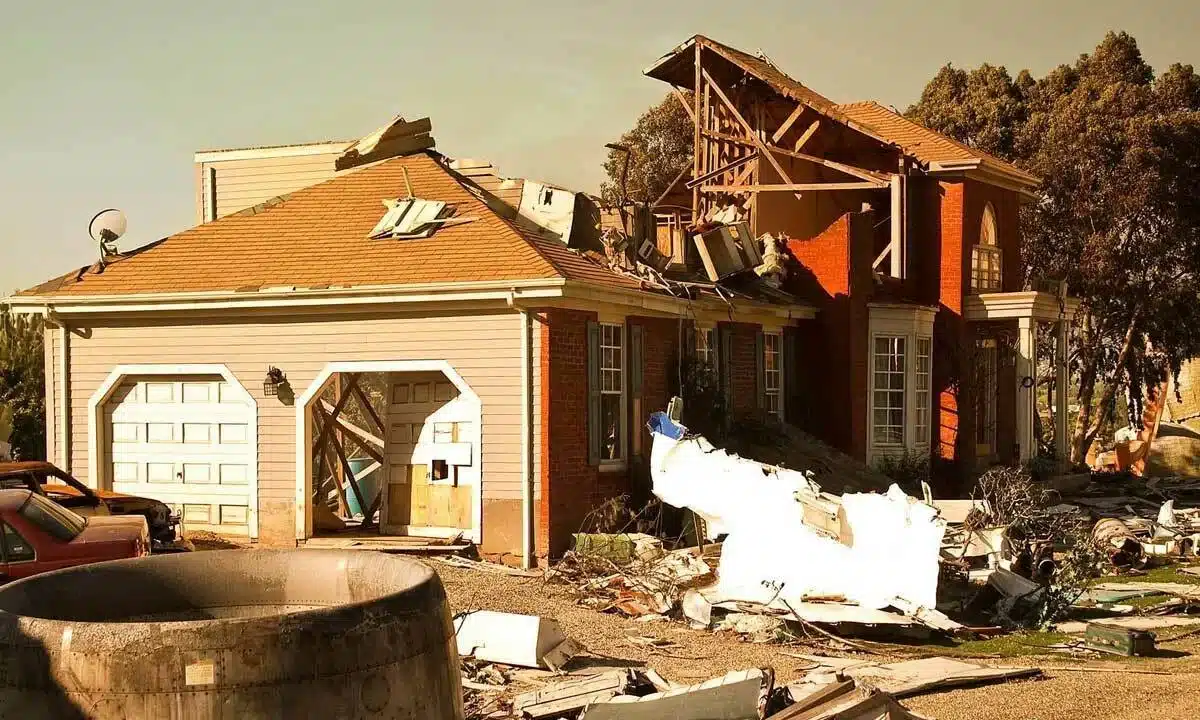
A gas furnace is one of the safest appliances in your home — when it is well maintained. But a neglected or aging furnace can develop problems that range from inconvenient to genuinely dangerous. Homeowners often ask us point-blank: can a furnace explode? The honest, reassuring answer is that it is very rare, but the conditions that lead there are exactly the warning signs you should never ignore. The heating experts at Mainstream Electric, Heating, Cooling, & Plumbing explain what to watch for in your Spokane home.
Can a Furnace Actually Explode?
A modern furnace with working safety controls is extremely unlikely to explode. Today’s units have multiple safeguards — flame sensors, limit switches, and gas valves — designed to shut the system down if something is wrong. A true furnace explosion almost always requires a chain of failures: a gas leak or buildup of unburned gas combined with failed or bypassed safety components, then an ignition source. The far more common and serious risk is a cracked heat exchanger leaking carbon monoxide, which is why the warning signs below matter so much.
Warning Signs Your Furnace May Be Failing
- A persistent gas or rotten-egg smell — this is an emergency. Leave the home, then call your gas utility and a professional from a safe distance.
- Yellow burner flame instead of crisp blue — a yellow or flickering flame can indicate incomplete combustion and possible carbon monoxide.
- Soot, scorching, or corrosion around the furnace — visible signs of combustion problems.
- A hard ‘booming’ ignition — a delayed ignition that lights with a bang means gas is building up before igniting, which stresses the system.
- Unusual noises — banging, rattling, screeching, or rumbling that is new or getting worse.
- Short-cycling — turning on and off rapidly without completing a full heating cycle.
- The carbon monoxide detector going off — never ignore this. Get out and call for help.
Why Carbon Monoxide Is the Real Concern
Far more dangerous than the dramatic idea of an explosion is carbon monoxide — a colorless, odorless gas that can leak from a cracked heat exchanger or a poorly venting furnace. It causes headaches, dizziness, nausea, confusion, and in high concentrations it can be fatal. Because you can’t see or smell it, detection depends entirely on working alarms. Every home with gas appliances should have CO detectors, and every furnace should be inspected annually. This single habit prevents the vast majority of furnace dangers.
What Usually Goes Wrong First
Most furnaces don’t fail catastrophically — they decline. A clogged filter chokes airflow and overheats the system. A failing flame sensor or igniter causes hard starts. A cracked heat exchanger develops slowly over years of expansion and contraction. Catching these early, ordinary problems during a routine furnace repair visit is precisely how you keep them from ever becoming a safety issue. The 15-year-old furnace that ‘never gets serviced’ is the one that surprises people.
How to Keep Your Furnace Safe
- Schedule annual furnace maintenance and a safety inspection before each heating season
- Replace your air filter regularly to prevent overheating and strain
- Install and test carbon monoxide detectors on every level of the home
- Never ignore new smells, sounds, or a furnace that short-cycles
- Keep the area around the furnace clear of stored items and combustibles
- Know how old your furnace is — most last 15 to 20 years
How Old Is Too Old for a Furnace?
Most gas furnaces last 15 to 20 years. As a unit approaches that range, the heat exchanger and other components have been through thousands of heating cycles, and the risk of cracks and failures climbs. An older furnace that’s also showing warning signs — rising bills, frequent repairs, uneven heat, or any of the safety symptoms above — is often safer and cheaper to replace than to keep patching. If you’re unsure how old yours is, the manufacture date is usually printed on a label inside the cabinet, and our technicians can verify it during a maintenance visit.
What to Do If You Smell Gas
Treat a strong gas smell as an emergency. Don’t flip switches, light anything, or use your phone inside. Get everyone out of the house, leave the door open, and from a safe distance call your gas utility’s emergency line and then a professional. Natural gas is given its rotten-egg odor specifically so you’ll notice a leak — never wait it out to see if it goes away.
When to Call for Furnace Repair
If you notice any of the warning signs above — especially gas odors, a yellow flame, or a CO alarm — treat it seriously and get a professional out quickly. Don’t try to diagnose a gas or combustion problem yourself. Our team provides honest, safety-first furnace repair and heating services across Spokane and Spokane Valley. Contact Mainstream and keep your family safe and warm this winter.