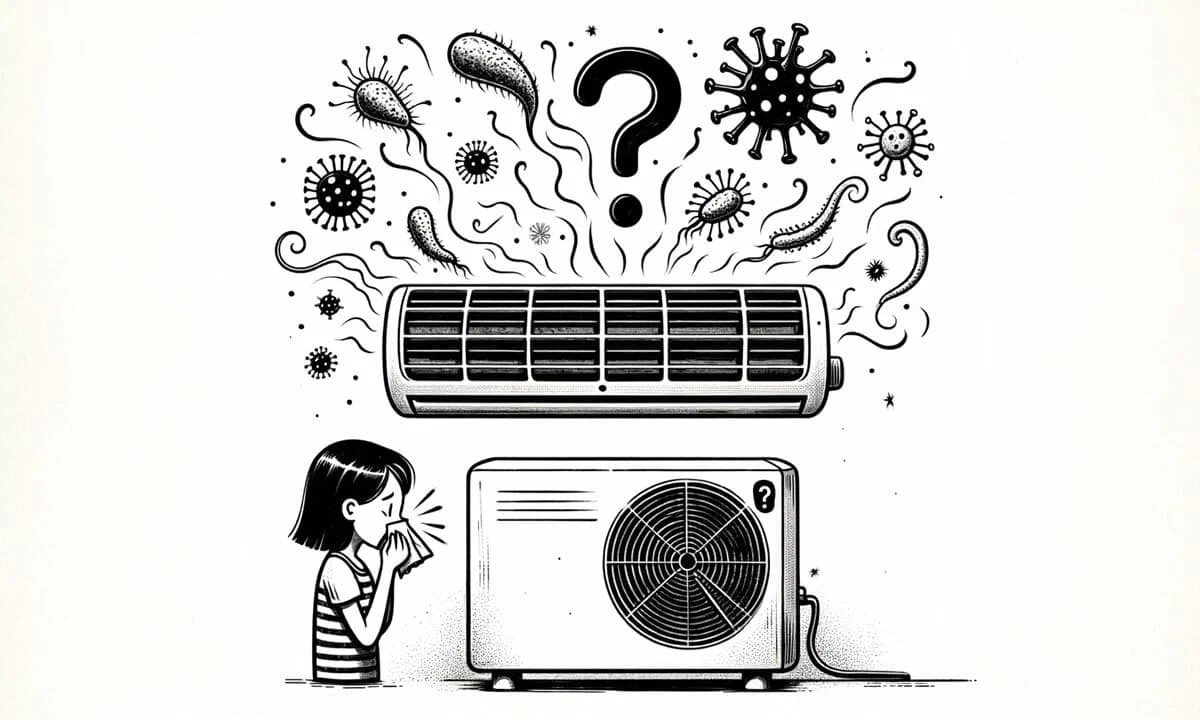
If anyone in your home battles seasonal allergies, your air conditioner is doing more than keeping you cool — it’s either filtering the air you breathe or quietly circulating the very things that make you miserable. Between Inland Northwest pollen seasons and late-summer wildfire smoke, the right cooling system can make a real difference. Here, the team at Mainstream Electric, Heating, Cooling, & Plumbing explains which AC systems are best for allergy sufferers and what features actually matter.
Does Your AC Really Affect Allergies?
Absolutely. A cooling system pulls air across a filter before it reaches your rooms, so the quality of that filtration — and how clean the system itself is — directly affects how much pollen, dust, pet dander, and smoke particulate you breathe indoors. A good system with proper filtration removes allergens; a neglected one with a cheap filter and dirty ductwork spreads them around. Humidity control matters too, since damp air encourages mold and dust mites.
The Best AC Systems for Allergy Sufferers
Ductless Mini-Splits
For allergy sufferers, ductless mini-splits have a standout advantage: no ductwork. Traditional ducts collect dust and allergens that get blown back into your home, while a ductless system delivers air directly through washable, multi-stage filters built into each indoor head. Many include fine filtration that captures small particles, and because there are no ducts to contaminate, there’s far less to circulate. They’re an excellent choice for additions, bedrooms, or whole-home comfort.
Heat Pumps with Upgraded Filtration
A modern heat pump paired with a high-efficiency filter offers excellent year-round comfort and clean air. Variable-speed models run longer at lower speeds, which means more air passes through the filter and humidity is controlled more steadily — both wins for allergy and asthma sufferers.
Central AC with a Whole-Home Air Cleaner
If you have central air and ductwork, you don’t necessarily need to replace the system to breathe easier. Adding a whole-home media filter or air purifier to your existing setup dramatically improves filtration for the entire house. Pairing that with clean ductwork gives central AC strong allergy performance.
What to Look For (Beyond the System Itself)
- Higher-MERV filtration — a higher MERV rating captures smaller particles like pollen and smoke. We’ll recommend the highest rating your system can handle without choking airflow.
- Variable-speed operation — longer, gentler run times filter more air and manage humidity better than old single-stage units.
- Whole-home air purifier or UV — add-ons that target fine particulate, and in some cases mold and bacteria.
- Humidity control — keeping indoor humidity in a healthy range discourages dust mites and mold.
- Clean ductwork — even the best filter can’t compensate for ducts full of years of dust.
Don’t Forget the Ductwork and Filters
The best allergy-friendly system in the world will disappoint you if it’s pushing air through dirty ducts or a clogged filter. Change filters on schedule, choose the right filter rating for your equipment, and have ductwork inspected if you’ve never had it cleaned. These basics are often the difference between sneezing through summer and breathing comfortably.
Whole-Home Air Purifiers and UV Add-Ons
Your cooling system’s filter is the first line of defense, but for sensitive households it’s often worth going further. A whole-home air purifier installed in your system targets the fine particulate that standard filters miss — including much of what makes wildfire smoke so irritating. UV air treatment goes after mold spores and bacteria as air passes through the system. Because these work with your existing cooling equipment, you can add serious allergy protection without replacing the whole system.
Seasonal Allergy Tips for Inland Northwest Homes
- Change your filter more often during spring pollen and late-summer smoke season — monthly if needed
- Run the system’s fan in ‘on’ or ‘circulate’ mode on high-pollen days so air keeps passing through the filter
- Keep windows closed when pollen counts or smoke levels spike, and let the AC do the filtering
- Have ductwork inspected if allergy symptoms are worse indoors than out
- Pair cooling with a dehumidifying strategy to keep dust mites and mold in check
Frequently Asked Questions
Does running the AC help with allergies?
Yes — as long as the filter is clean and rated to capture fine particles. A well-maintained system filters the air each time it cycles. A dirty filter or dirty ducts can do the opposite, so upkeep is everything.
Are ductless mini-splits really better for allergies?
For many homes, yes. With no ducts to collect and redistribute dust, plus washable multi-stage filters at each head, mini-splits keep more allergens out of the air you breathe.
Build a Healthier-Air Home
Allergy relief is really about pairing the right cooling system with the right indoor air quality solutions for your home. Whether that’s a ductless mini-split for a problem bedroom or a whole-home purifier on your existing AC, our team can design it around your needs. Explore our cooling and indoor air quality services, or contact Mainstream to talk through options for your Spokane or Spokane Valley home.